
Artificial Intelligence is transforming the healthcare industry at an unprecedented pace. From early disease detection to personalized treatment plans, AI is enabling healthcare providers to deliver better outcomes for patients worldwide.
The integration of AI in healthcare represents one of the most significant technological advances of our time, with implications that extend far beyond traditional medical practice.
Early Disease Detection
One of the most promising applications of AI in healthcare is in early disease detection. Machine learning algorithms can analyze medical images with remarkable accuracy, often identifying patterns that human doctors might miss.
Key benefits include:
- Enhanced accuracy in detecting cancers at early stages
- Rapid analysis of cardiovascular imaging
- Early identification of neurological conditions
- Reduced false positives and negatives in diagnostic procedures
Personalized Treatment Plans
AI systems can process vast amounts of patient data, including genetic information, medical history, and lifestyle factors, to recommend personalized treatment plans. This approach ensures that patients receive the most effective treatments tailored to their unique circumstances.
The personalization extends to:
- Drug dosage optimization based on individual metabolism
- Treatment timing recommendations
- Side effect prediction and management
- Therapy combination strategies
Predictive Analytics
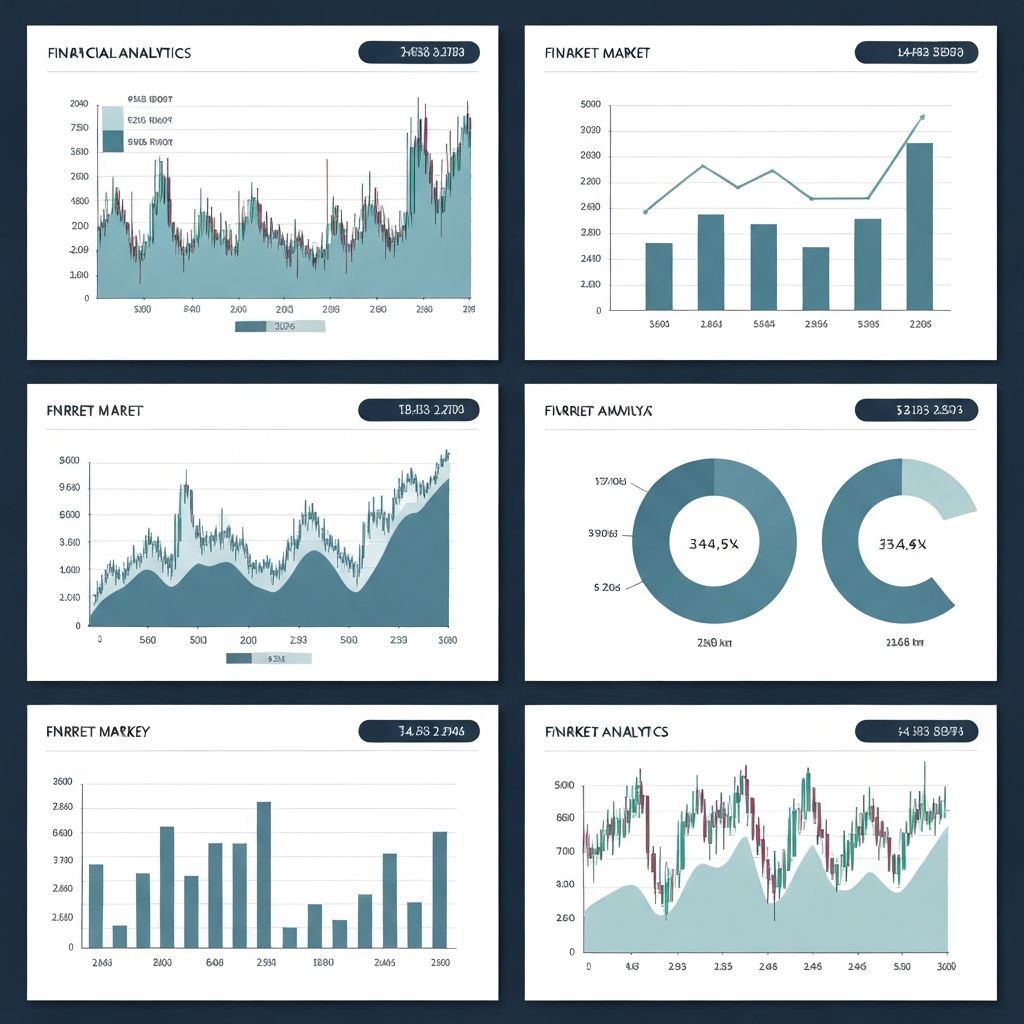
Healthcare providers are using AI-powered predictive analytics to anticipate patient needs, prevent complications, and optimize resource allocation. These systems can predict disease outbreaks, patient readmission risks, and treatment outcomes with increasing accuracy.
Real-World Impact
Hospitals implementing predictive analytics have reported significant improvements in patient outcomes and operational efficiency, demonstrating the tangible benefits of AI integration in healthcare settings.
The Road Ahead
As AI technology continues to evolve, we can expect even more transformative applications in healthcare. The key to success will be ensuring that these technologies are developed ethically, with patient privacy and safety as top priorities.
Future developments will likely focus on making AI tools more accessible to healthcare providers worldwide, ensuring that the benefits of this technology reach patients in all communities.